Engineering Lab

Statics Fundamentals & Alternative Energy

The Statics Fundamentals & Alternative Energy laboratory category integrates the core principles of classical mechanics with cutting-edge sustainable technology. This comprehensive range provides the framework for understanding structural equilibrium, force distribution, and the efficiency of renewable energy harvesting. From studying the tension in suspension cables to analyzing the thermal absorption of flat plate collectors, our equipment is designed to bridge the gap between static load theory and green energy application. This category is essential for institutions focused on building a sustainable future, offering high-fidelity trainers for photovoltaic cell analysis, solar energy concentration, and rigid body equilibrium.

Strategic Industrial Applications

In the Civil Engineering sector, statics equipment is fundamental for designing bridges and skyscrapers by calculating cable suspension and beam equilibrium. The Renewable Energy industry utilizes our solar collectors and PV cell trainers to optimize the efficiency of commercial solar farms. Manufacturing plants apply rigid body statics for crane and hoist safety. Furthermore, automotive companies study structural integrity using these fundamentals. With the global shift towards green power, these instruments are vital for R&D in hybrid energy systems and carbon-neutral infrastructure development.

Product Keyword

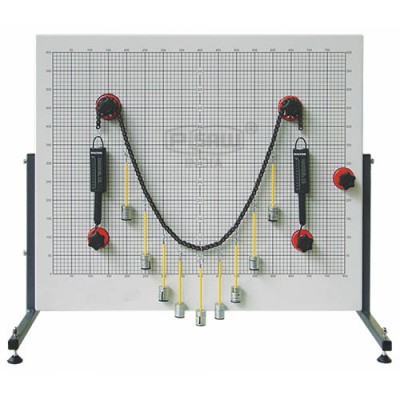
Suspension Cable Demonstration
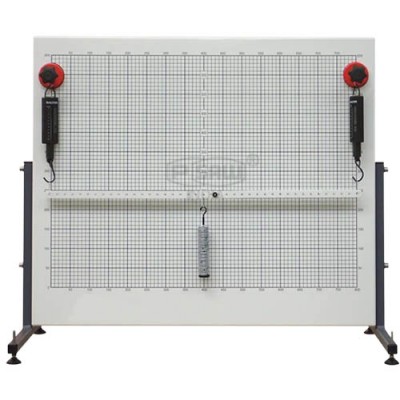
Equilibrium of Rigid Body
Focusing Solar Energy Collector
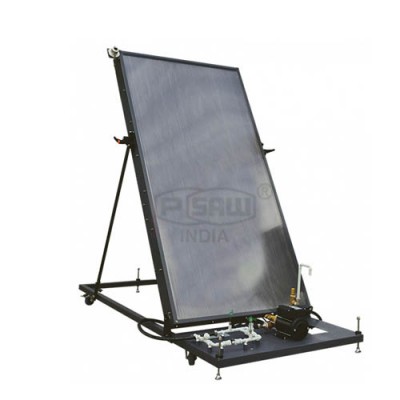
Flat Plate Solar Energy Collector
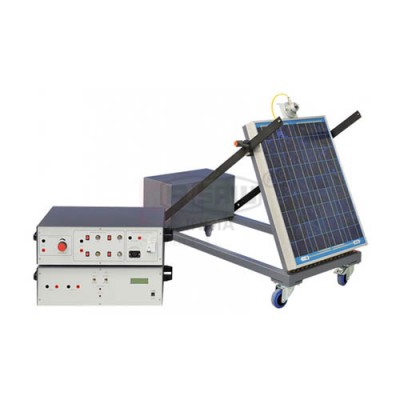
Photovoltaic Cell Trainer
Beam Equilibrium Apparatus
Alternative Energy Lab Tools
Structural Statics Simulator
Solar Thermal Lab Kit
Renewable Energy Training Unit

Diagnostic & Scientific Significance

The scientific significance of combining statics with energy studies lies in the optimization of structural support for renewable sources. For instance, solar trackers require precise static balancing to follow the sun's trajectory without mechanical failure. Our trainers provide empirical evidence for the parallelogram of forces and the efficiency of energy conversion in different weather conditions. By utilizing high-resolution sensors to monitor temperature and load, this equipment ensures that future engineers can diagnose structural weaknesses and maximize the energy output of sustainable technologies, ensuring global energy security.

Primary Laboratory Operational Uses

Operational use of statics instruments includes the study of three-dimensional forces and moment equilibrium. Equilibrium beams are utilized for practicing the calculation of reaction forces at supports. Solar energy collectors are applied for conducting comparative studies between focusing and flat-plate absorption techniques. Photovoltaic cell trainers are used for plotting I-V characteristics under varying light intensities. Suspension cable units allow students to analyze parabolic load distributions. Together, these laboratory instruments provide a multi-disciplinary platform for validating the laws of mechanics and thermodynamics in a controlled setting.

Global Logistics & Regional Reach

INTERNATIONAL EXPORT COUNTRIES

United States, United Kingdom, United Arab Emirates, Germany, Australia, Canada, Singapore, Saudi Arabia, France, Japan, South Africa, Russia, Brazil, Malaysia, Vietnam, Thailand, Kenya, Nigeria, Egypt, Italy, Spain, Mexico, Turkey, Indonesia, Philippines, South Korea, Iraq, Oman, Kuwait, Qatar, Israel, Norway, Sweden, Switzerland, Poland, Netherlands, Peru, Chile, Argentina, Portugal, Greece, Ireland, Hungary, Romania, Morocco, Cambodia, Tanzania, Algeria, Uzbekistan, Kazakhstan, Ethiopia, Ghana, Sri Lanka, Nepal, Bhutan, Bangladesh, Myanmar, Maldives, Zambia, Mauritius, Jordan, Sudan, Uganda, Libya, Tunisia, Lebanon, Yemen, Bahrain, Colombia, Austria.

DOMESTIC SUPPLY NETWORK (INDIA)

Maharashtra, Gujarat, Delhi NCR, Tamil Nadu, Karnataka, West Bengal, Punjab, Haryana, Uttar Pradesh, Rajasthan, Telangana, Kerala, Bihar, Odisha, Madhya Pradesh, Indore, Baddi, Sikkim, Goa, Chhattisgarh, Mumbai, Pune, Ahmedabad, Surat, Vadodara, Chennai, Bangalore, Kolkata, Jaipur, Hyderabad, Lucknow, Kanpur, Nagpur, Coimbatore, Ludhiana, Chandigarh, Ambala, Gurgaon, Noida, Ghaziabad, Varanasi, Patna, Jamshedpur, Guwahati, Ranchi, Dehradun, Haridwar, Vishakhapatnam, Kochi, Madurai, Raipur, Bhopal, Srinagar, Jammu, Aurangabad, Mysore, Solapur, Nasik, Hubli, Belgaum.

STATICS & ENERGY FAQ

Q1 CAN THE PHOTOVOLTAIC TRAINER WORK UNDER ARTIFICIAL LIGHT?
Yes, the system is equipped with an adjustable halogen lamp to simulate solar radiation within the laboratory environment.
Q2 WHAT IS THE DIFFERENCE BETWEEN FOCUSING AND FLAT PLATE COLLECTORS?
Focusing collectors use mirrors to concentrate light for higher temperatures, while flat plate collectors absorb solar energy from a larger surface area at lower temperatures.
Q3 IS THE BEAM EQUILIBRIUM UNIT ADJUSTABLE?
Absolutely. The beam has sliding weight hangers and adjustable support points to create various load and torque scenarios.
Q4 CAN WE MEASURE WIND ENERGY IN THIS CATEGORY?
While this category focuses on solar and statics, we offer wind turbine simulators as modular additions to the alternative energy setup.

Discover More Systems

Suspension Cable Rigid Body Lab PV Cell Trainer Mechanical Lab Full Catalog