Microscopes

Research Microscopes

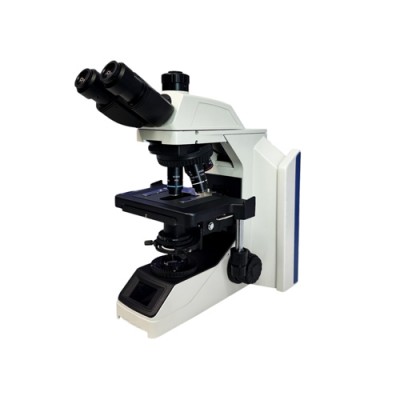
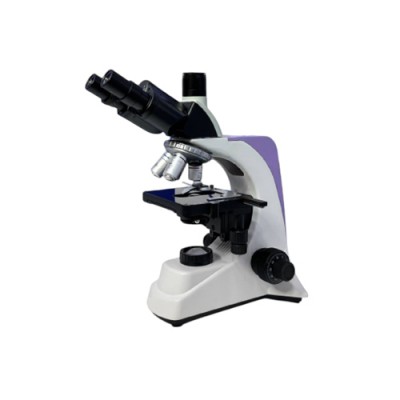
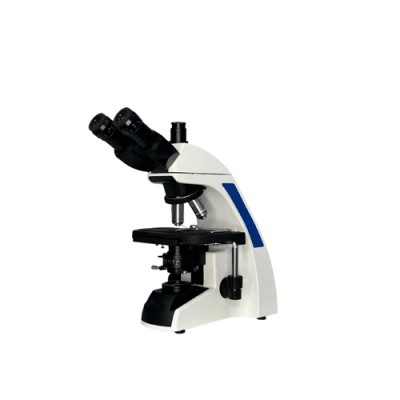
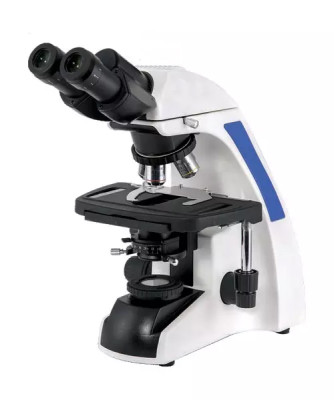
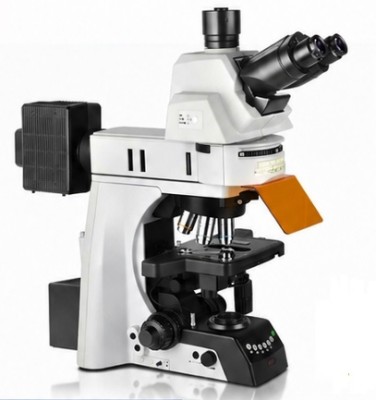
Our Research Microscope series represents the pinnacle of optical precision, specifically engineered for complex scientific explorations. Equipped with infinity-corrected optics and trinocular observation heads, these instruments are designed to support advanced techniques like fluorescence and phase contrast. Ideal for high-end laboratories, they offer unparalleled stability and resolution for capturing critical data in microbiology and material sciences.

our product

Trinocular Research Unit
Infinity Optical System
Coded Display Tech
Phase Contrast Microscope
Fluorescence Ready Lab
High-Res Objective Lens
PSAW-700 Series
Scientific Data Capture

Primary Operational Uses

Operational excellence in research microscopy involves the use of Kohler illumination for perfectly even sample lighting. Coded displays allow researchers to instantly verify magnification levels. The trinocular port is essential for mounting high-definition CMOS cameras to record real-time cellular movements. Furthermore, these units are used for darkfield and phase contrast observations, enabling the study of transparent specimens without the need for chemical staining.

SCIENTIFIC SIGNIFICANCE

The significance of research-grade optics lies in their ability to resolve structures at the sub-cellular level. Accurate data in genetic engineering and pharmacology depends on the optical fidelity of infinity-corrected systems. By eliminating lens aberrations, these microscopes ensure that digital captures are publication-ready, fostering global scientific collaboration and diagnostic breakthroughs in complex diseases like cancer.

Strategic Industry Applications

These microscopes are widely applied in Molecular Biology for live-cell imaging and in Forensic Science for high-magnification trace evidence analysis. Pharmaceutical companies rely on them for drug development and toxicity studies. In higher education, they serve as the primary tool for post-graduate research. Additionally, clinical pathology labs use them for specialized diagnostic procedures that require high-contrast imaging of rare pathogens.

Export & Domestic Supply Network

WORLDWIDE EXPORTS

USA, UK, UAE, Germany, Australia, Canada, Singapore, Saudi Arabia, France, Japan, South Africa, Russia, Brazil, Malaysia, Vietnam, Thailand, Kenya, Nigeria, Egypt, Italy, Spain, Mexico, Turkey, Indonesia, Philippines, South Korea, Iraq, Oman, Kuwait, Qatar, Israel, Norway, Sweden, Switzerland, Poland, Netherlands, Peru, Chile, Argentina, Portugal, Greece, Ireland, Hungary, Romania, Morocco, Cambodia, Tanzania, Algeria, Uzbekistan, Kazakhstan, Ethiopia, Ghana, Sri Lanka, Nepal, Bhutan, Bangladesh, Myanmar, Maldives, Zambia, Mauritius, Jordan, Sudan, Kenya, Uganda, Libya, Tunisia, Lebanon, Yemen, Bahrain, Colombia.

PAN INDIA NETWORK

Maharashtra, Gujarat, Delhi NCR, Tamil Nadu, Karnataka, West Bengal, Punjab, Haryana, Uttar Pradesh, Rajasthan, Telangana, Kerala, Bihar, Odisha, Madhya Pradesh, Indore, Baddi, Sikkim, Goa, Chhattisgarh, Mumbai, Pune, Ahmedabad, Surat, Vadodara, Chennai, Bangalore, Kolkata, Jaipur, Hyderabad, Lucknow, Kanpur, Nagpur, Coimbatore, Ludhiana, Chandigarh, Ambala, Gurgaon, Noida, Ghaziabad, Varanasi, Patna, Jamshedpur, Guwahati, Ranchi, Dehradun, Haridwar, Vishakhapatnam, Kochi, Madurai, Raipur, Bhopal, Srinagar, Jammu, Aurangabad, Mysore, Solapur.

RESEARCH MICROSCOPY FAQ

Q1 WHAT IS THE MAIN ADVANTAGE OF INFINITY OPTICS?
Infinity optics allow for the insertion of additional components like polarizers or fluorescence filters into the optical path without affecting the image quality or focal length.
Q2 CAN I CONNECT A DSLR CAMERA TO THESE MODELS?
Yes, all our trinocular research models come with a dedicated vertical port that supports DSLR, mirrorless, and industrial microscopy cameras.
Q3 ARE THE OBJECTIVE LENSES PLAN-ACHROMATIC?
Yes, we use high-grade Plan-Achromatic objectives that provide a sharp, flat image from the center to the very edge of the field of view.
Q4 DO THESE MICROSCOPES SUPPORT DARKFIELD VIEWING?
Yes, by adding a darkfield condenser, these microscopes can be easily configured for observing live, unstained biological samples.
Model 128 Model 300 Coded Full Category All Microscopes