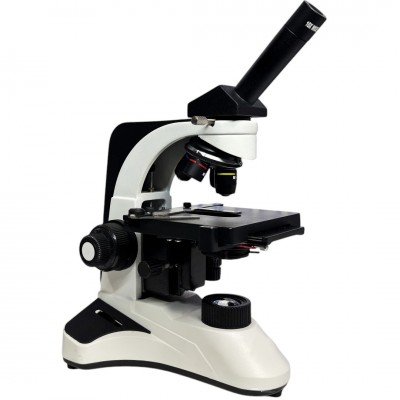
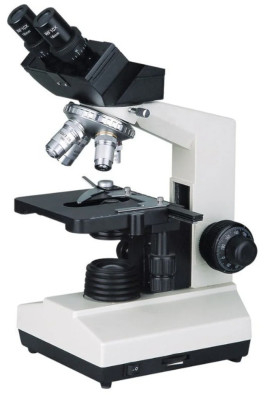
Precision at the heart of every diagnosis. As a premier Pathological Laboratory Microscope Manufacturer in India, PSAW empowers medical professionals with the optical clarity needed to save lives and advance clinical research.
In the world of pathology, the difference between benign and malignant often rests on a single microscopic detail. Our range—from the ergonomic Star Plus B series to the reliable Eco Star models—is designed to be a pathologist’s most trusted ally. By providing superior color correction and flat-field imaging, we ensure that the vivid hues of stained tissue and blood smears are rendered with absolute truth.
As a global Exporter of Pathological Microscopes, we understand the high-stakes environment of clinical labs. Our instruments are engineered to reduce diagnostic fatigue, allowing hematologists and oncologists to work with comfort and confidence during long screening sessions.
Our microscopes are the workhorses of Microbiology and Hematology. Whether it's performing differential leucocyte counts or identifying delicate pathogens under oil immersion, these units provide the stability and high-intensity lighting required for rapid, accurate result turnaround.
Beyond routine checkups, we are a key Supplier in India for oncology centers and pharmaceutical research. Our trinocular systems allow for digital documentation, fostering collaborative medicine and training the next generation of surgeons in medical colleges.
The Star Plus B series is highly recommended for high-volume labs due to its ergonomic binocular head, which reduces neck and eye strain during extended use.
Yes. As a versatile Manufacturer, we design our optics to handle various tissue densities, making them perfect for both human and veterinary clinical samples.
Serving health organizations in the USA, UK, UAE, Germany, Australia, Singapore, Kenya, Nigeria, Brazil, and 80+ other nations. We are your global partner in pathology.
Trusted Supplier in India across Maharashtra, Delhi NCR, Gujarat, Tamil Nadu, Karnataka, Punjab, West Bengal, and medical hubs like Mumbai, Bangalore, and Pune.