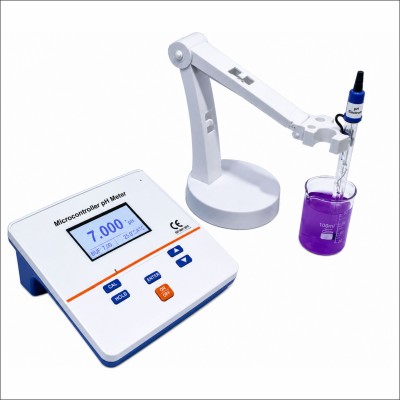
Premier pH Meter Manufacturer, Supplier & Exporter in India
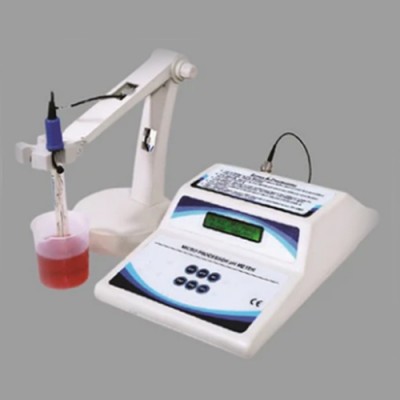
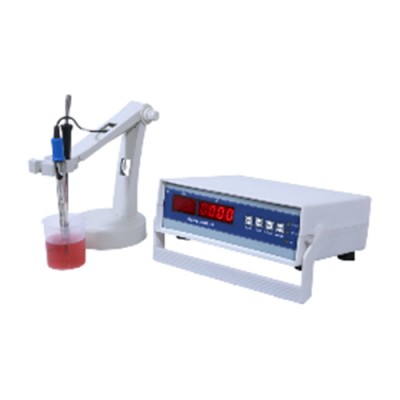
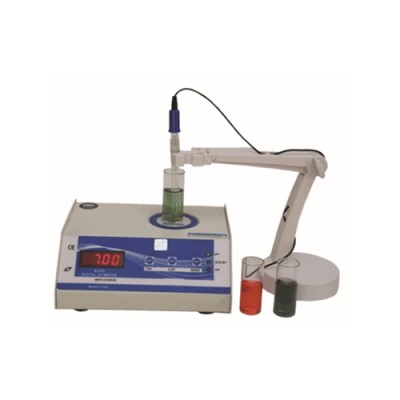
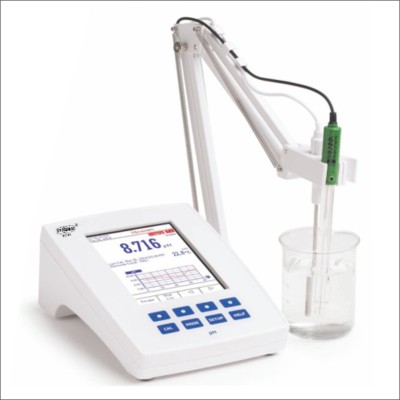
Our comprehensive range of **pH Meters** represents the pinnacle of electrochemical sensing technology, providing high-precision acidity and alkalinity measurements for diverse laboratory and industrial environments. As a leading **pH Meter Manufacturer, Supplier & Exporter in India**, we supply everything from basic digital models to high-end microprocessor-based systems that offer multi-parameter analysis for pH, Conductivity, TDS, and Salinity. Our instruments are engineered for absolute accuracy, utilizing superior-grade glass electrodes and advanced Automatic Temperature Compensation (ATC) to ensure stable readings even in fluctuating thermal conditions. Featuring intuitive calibration protocols with automatic buffer recognition, our meters simplify complex analytical tasks. Whether you are conducting critical pharmaceutical research, monitoring municipal water quality, or managing heavy-duty chemical processes, our pH meters provide the reliability and repeatability required for stringent global quality control standards.
Calibrating at three points (e.g., pH 4, 7, and 10) ensures linearity across the entire scale. As a premier **pH Meter Manufacturer, Supplier & Exporter in India**, we build our software to recognize these buffers automatically, correcting for the specific slope of the electrode for maximum accuracy.
The chemical activity of hydrogen ions is temperature-dependent. Our Automatic Temperature Compensation (ATC) feature utilizes a thermistor to measure the sample temperature and adjust the digital calculation instantly, providing the "true" pH value without manual chart cross-referencing.
While standard electrodes are designed for water-based solutions, specialized electrodes (like non-aqueous or sleeve junctions) can be used for oils and alcohols. Contact us for specific industrial electrode requirements.
Distilled water leaches ions out of the glass membrane and reference electrolyte, drastically reducing the electrode's life and response time. Always use 3M KCl storage solution to maintain the hydration layer of the electrode bulb.