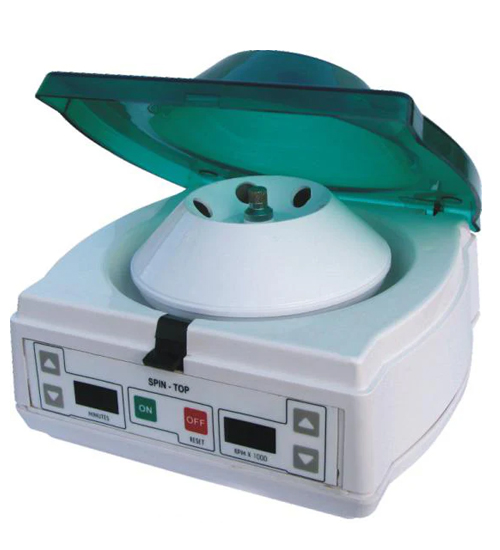
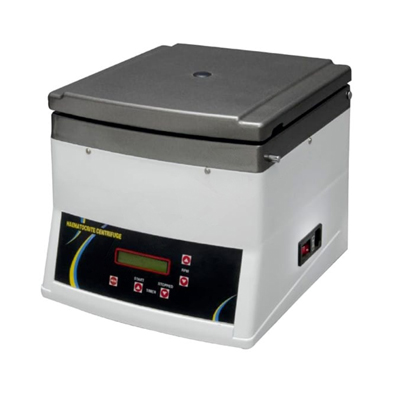
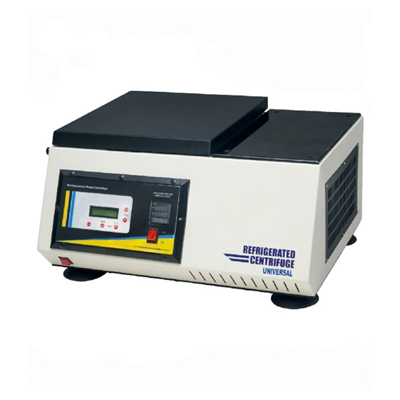
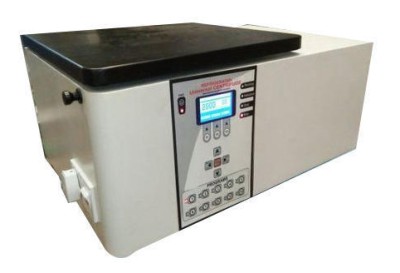
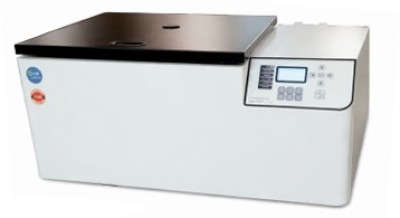
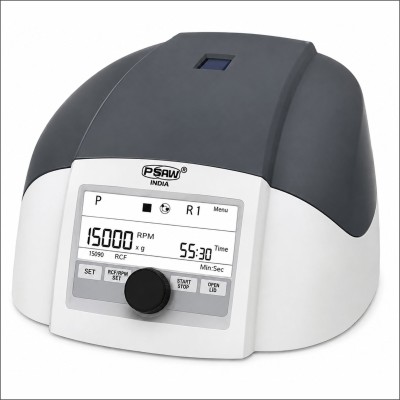
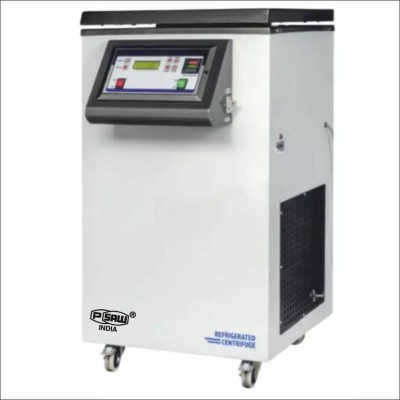
Welcome to India's leading destination for high-performance Laboratory Centrifuge Machines. As a globally recognized Laboratory Centrifuge Manufacturer, we specialize in engineering precision-driven benchtop centrifuges, high-speed refrigerated centrifuges, and clinical centrifuge units. Our equipment is designed for the rigorous demands of modern science, providing unmatched centrifugal force for the separation of liquids, gases, or liquids based on density. Whether you require a micro centrifuge for genomic research or a large capacity centrifuge for industrial processing, our India-made centrifuge systems deliver vibration-free performance, microprocessor-controlled accuracy, and long-term durability. We are a trusted Laboratory Centrifuge Supplier to pathological labs, hospitals, pharmaceutical giants, and research institutions worldwide.
Our High-Speed Laboratory Centrifuges are equipped with state-of-the-art brushless induction motors, eliminating the need for carbon brush replacement and reducing noise pollution in the lab. The digital RCF/RPM indicator allows users to toggle between speed and G-force settings instantly, ensuring compliance with strict experimental protocols.
Key features of our benchtop centrifuge machine include programmable memory for routine runs, automatic imbalance detection, and a motorized lid lock for enhanced safety. As an Exporter of Laboratory Centrifuges, we ensure our products meet international CE certifications, making them suitable for global markets in the USA, Europe, and the Middle East.
As a comprehensive Laboratory Centrifuge Exporter, we produce a wide variety of models tailored to specific niches. Our Haematocrit Centrifuge is essential for blood volume testing, while our Cyto-Centrifuge is a mainstay in oncology labs for cell layer preparation. For molecular biologists, our Refrigerated Micro Centrifuge offers temperature-controlled environments for RNA/DNA extraction. We also manufacture Low Speed Clinical Centrifuges for routine PRP (Platelet Rich Plasma) therapy and General Purpose Benchtop Centrifuges for chemical sediment analysis. Every Industrial Centrifuge Machine we supply undergoes rigorous quality checks to ensure the RCF Speed Centrifuge accuracy is maintained throughout its lifecycle. From Digital Centrifuge Units to Manual Lab Separators, our catalog covers every possible immunoassay and diagnostic centrifuge requirement.
Q1: How do I choose between a Fixed Angle and a Swing-Out Rotor?
A Fixed Angle Rotor is best for high-speed sedimentation of small particles where speed is a priority. A Swing-Out Rotor (Horizontal) is ideal for density gradient separation as it ensures the pellet forms at the bottom of the tube, making it perfect for PRP and blood cell separation.
Q2: What maintenance is required for a Brushless Centrifuge Machine?
Since our centrifuge machines use brushless motors, maintenance is minimal. Users only need to ensure the rotor chamber is kept clean from spillages and that the rotor is balanced correctly before every run to avoid mechanical strain.
Q3: Can your centrifuges handle micro-volumes?
Yes, as a specialized Laboratory Centrifuge Manufacturer, we offer Micro-Centrifuge models that specifically handle 0.2ml, 0.5ml, and 1.5ml tubes, commonly used in PCR and DNA labs.
Q4: Are your Refrigerated Centrifuges CFC-free?
Absolutely. Our High-Speed Refrigerated Centrifuges use eco-friendly, CFC-free refrigerants that maintain stable temperatures even at maximum speeds, protecting sensitive biological samples.
Contact India's leading Centrifuge Machine Manufacturer for bulk pricing and technical catalogs.
Get a Custom Quote Now